
Loddon Shire
Flood Recovery Commemorative Installation Design
“We can enter uncertain, emotionally layered community contexts, listen well, find the real opportunity, and produce concepts that feel inevitable once they exist.”
At a glance
Korong Vale
A future-facing memorial: one that remembers the impact of floodwater while also imagining how water, land and community might be worked with differently in the years ahead.
Mitiamo
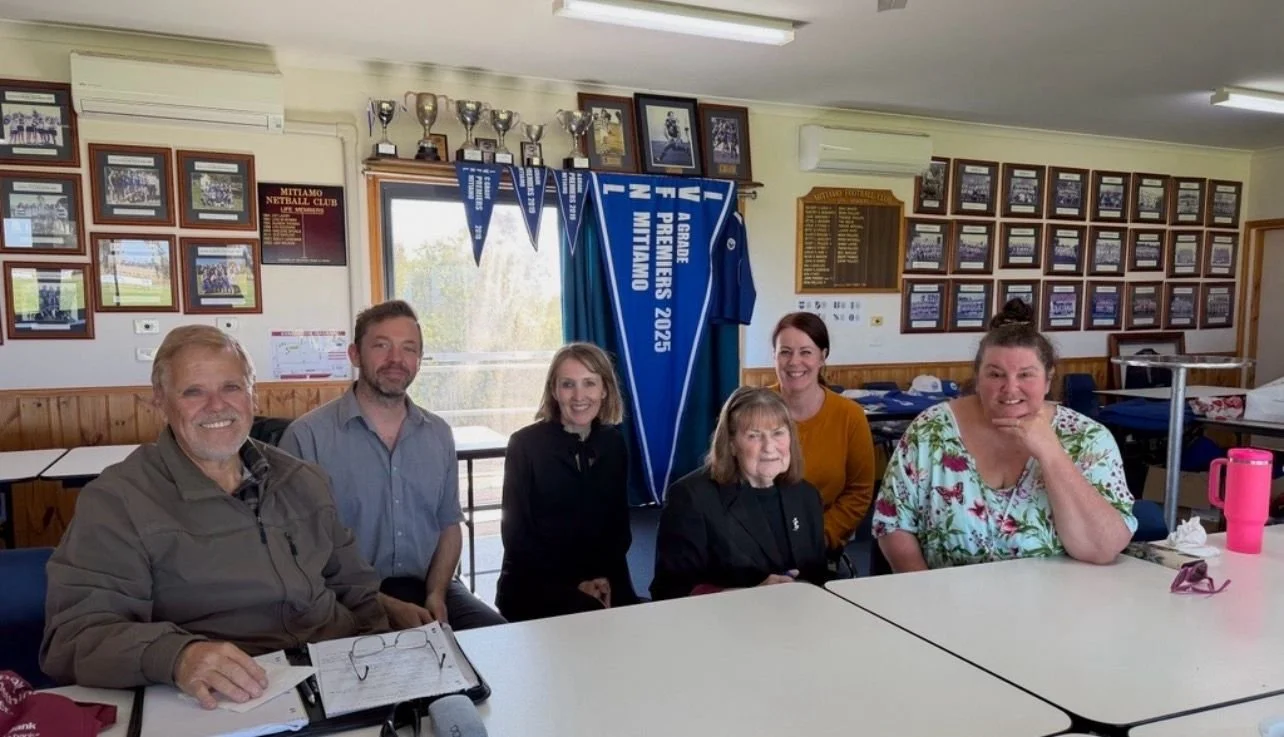
A roadside memorial grounded in Mitiamo character: one that remembers the 2022 flood not through disaster, but through practical care, local knowledge and an individual who helped hold the line.
Serpentine
A functional, social, educational and playful installation: one where children, families, locals and visitors can physically engage with the story Serpentine.
Dingee
A child-centred interactive installation: one that honours the floods through memory, story, voice, play and care.
Calivil
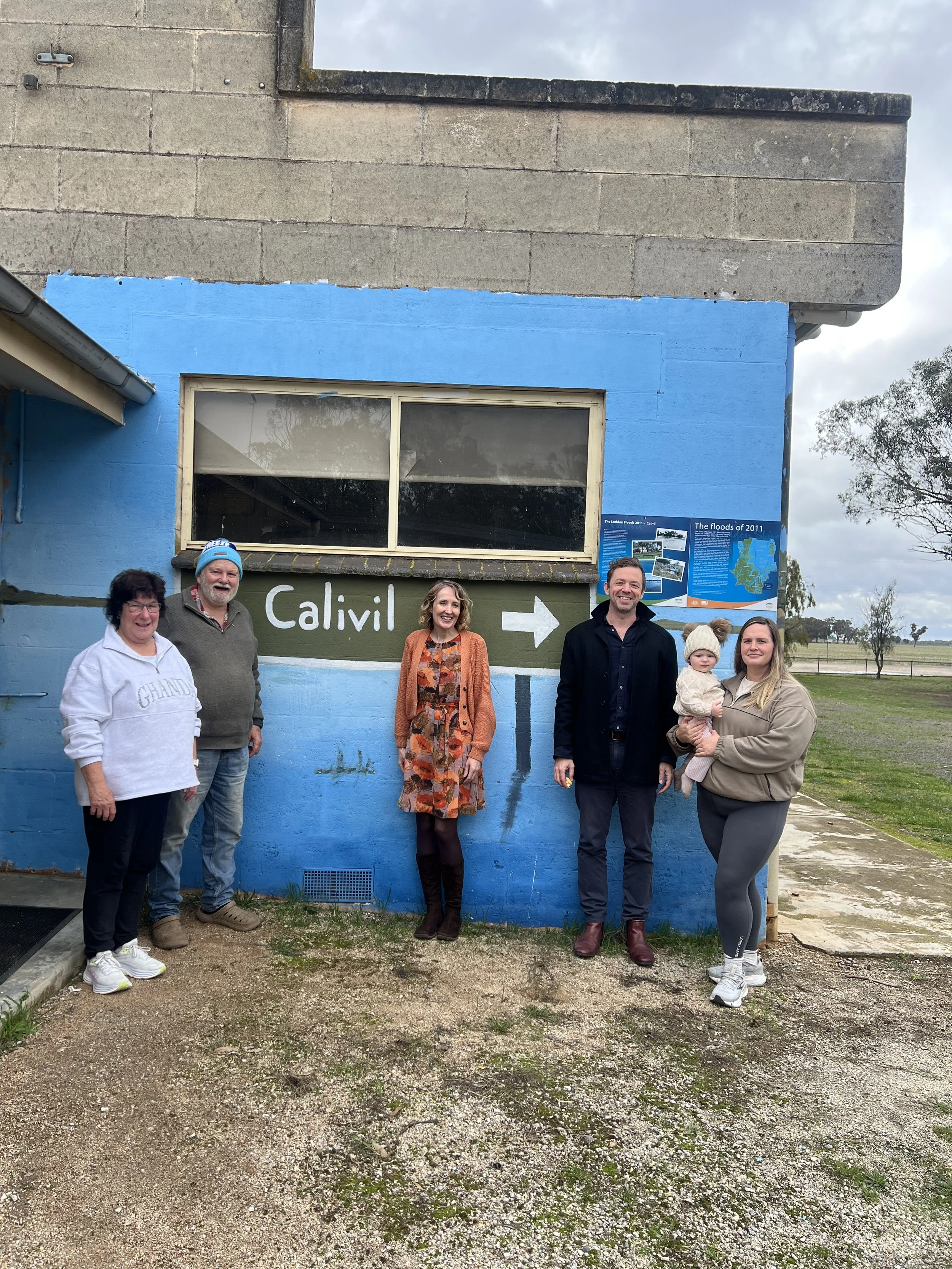
A flood-memory wall and listening place: one that honours how Calivil watched, checked, gathered and shared.
Boort
A functional public artwork and gathering place: one that honours the hands, tools, knowledge and neighbours that helped Boort hold ground through flood.
Newbridge
A place-based flood marker: one that turns recorded floodwater levels into a physical experience of scale, memory, impact and recovery.
Bridgewater
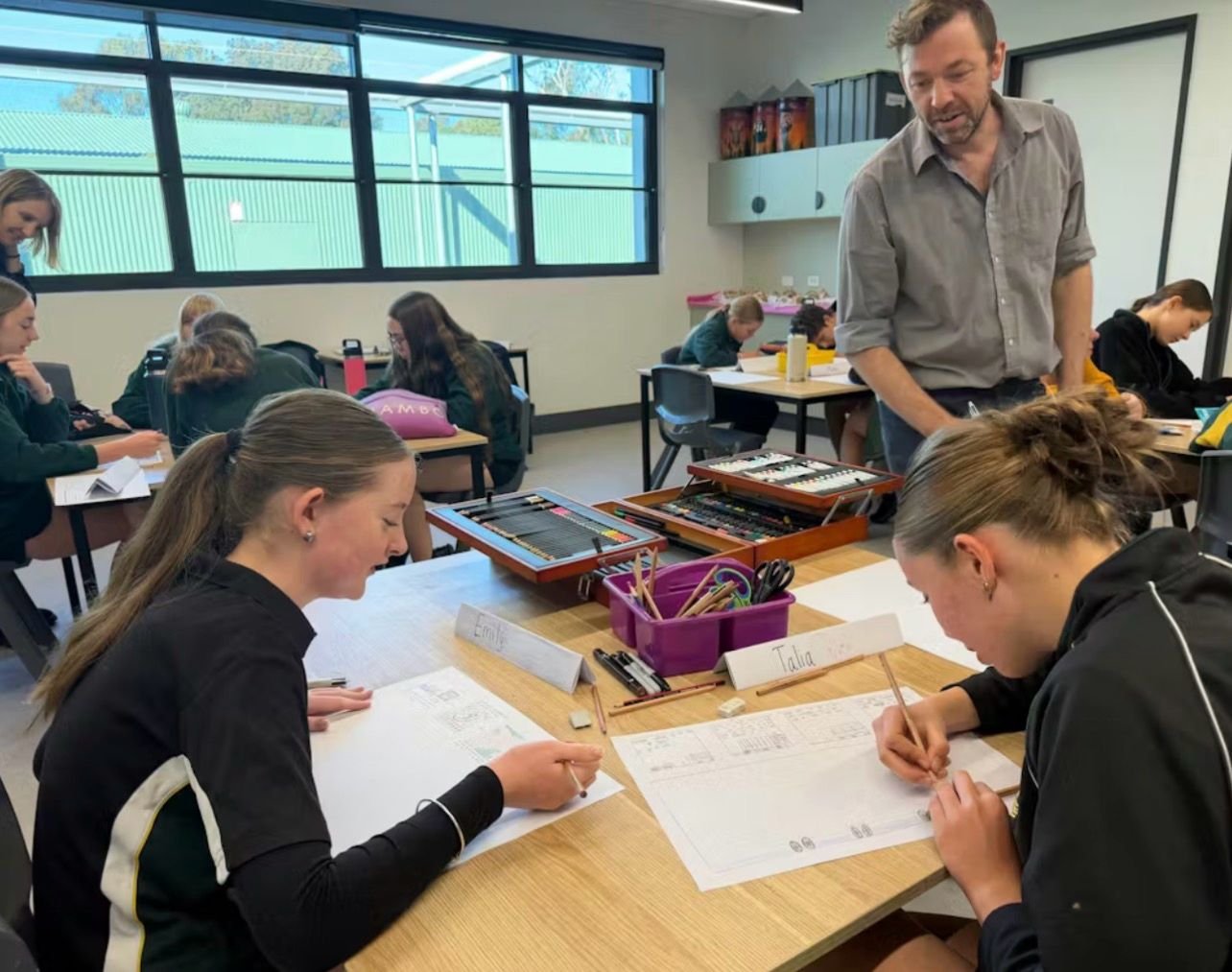
A collaborative and participatory student-led installation: one that turns children’s stories, local memories and river knowledge into a shared path of care, learning and remembrance.
Pyramid Hill
A sculptured functional seating sequence: one that honours Pyramid Hill’s practical culture of care.

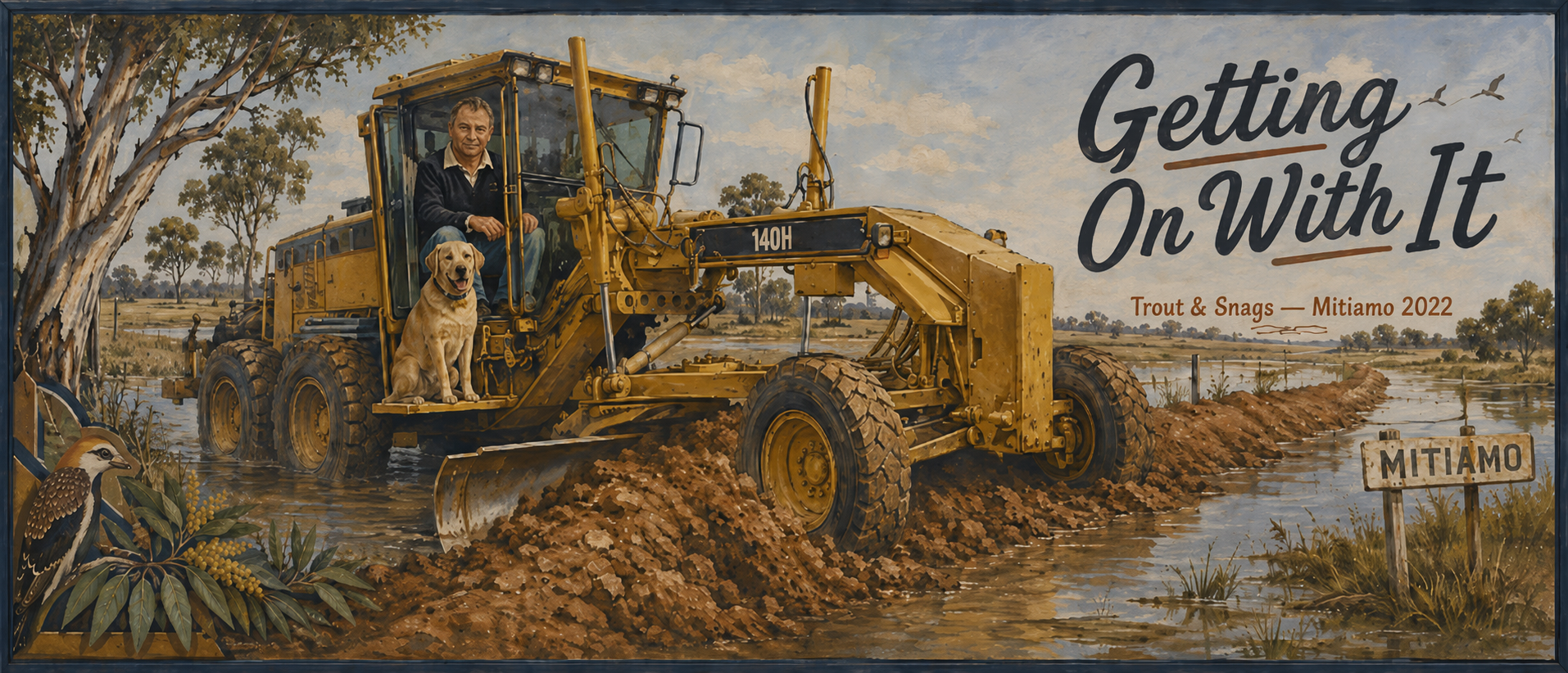
Mitiamo - Trout, Snags and the Grader
A roadside memorial grounded in Mitiamo character: one that remembers the 2022 flood not through disaster, but through practical care, local knowledge and an individual who helped hold the line.
In Mitiamo, the strongest story was not abstract flood memory but a deeply local figure: Philip “Trout” Harrison, his dog Snags, and the grader that helped keep roads, people and farms connected. Sonic Gold recognised that the right response was not a generic memorial, but a character-led public artwork with warmth, humour and respect. The proposed road-facing mural turns a practical act of care into a memorable town image, strengthening Mitiamo’s existing visual identity and giving visitors a reason to stop, look, learn and understand the kind of community that lives there.
Korong Vale - Growing Together
A future-facing memorial: one that remembers the impact of floodwater while also imagining how water, land and community might be worked with differently in the years ahead.
In Korong Vale, the community’s flood story was inseparable from its wider hope for renewal: food security, local pride, children’s participation and the possible future of the Bowls Club as a stronger community hub. Sonic Gold translated this into Growing Together, a participatory tile mural shaped through workshops and local making. Rather than proposing a static memorial, the concept creates a reason for people to gather, contribute and see themselves in the work. It honours flood recovery while also supporting Korong Vale’s larger vision for connection, abundance and shared local ownership.

Serpentine - Learning to Live With Water
A functional, social, educational and playful installation: one where children, families, locals and visitors can physically engage with the story Serpentine.
In Serpentine, the community described flooding as practical knowledge: levees, weak points, moving stock, road closures, phone trees and fast-changing water. Sonic Gold translated this into an ambitious flood-learning play landscape at TJ Rudkins Reserve, where children can pump water, build levees, pass messages and physically explore how floods move through country. Instead of a commemorative object, the concept becomes social infrastructure: a family destination, learning environment and gathering place that supports the town’s broader aspiration for a more active civic precinct where locals meet and visitors linger.

Dingee - Children’s Voices, Local Memory
A child-centred interactive installation: one that honours the floods through memory, story, voice, play and care.
In Dingee, the most powerful opportunity was to let young people speak directly. Sonic Gold developed a concept for an interactive listening trail at Progress Park, using children’s flood stories, drawings and recorded voices from East Loddon P–12 School. Rather than translating children’s experiences into adult language, the design allows their voices to be literally heard through play and everyday family use. The result is a child-centred memorial that is tender, accessible and active: a place where memory is not only looked at, but listened to by locals, visitors and future generations.

Calivil - Checking the Water
A flood-memory wall and listening place: one that honours how Calivil watched, checked, gathered and shared.
In Calivil, flood memory centred on watching, checking and communicating: slow-moving water, poor phone reception, road uncertainty and the quiet intelligence of locals who knew when something had changed. Sonic Gold translated this into Checking the Water, a mural and listening-post concept at the Recreation Reserve, already understood as a place of gathering, signal and evacuation. The design anchors flood memory in a wall, a voice and a future walking-track vision. It turns a modest reserve setting into a stronger place of storytelling, overnight visitor engagement and community recognition.
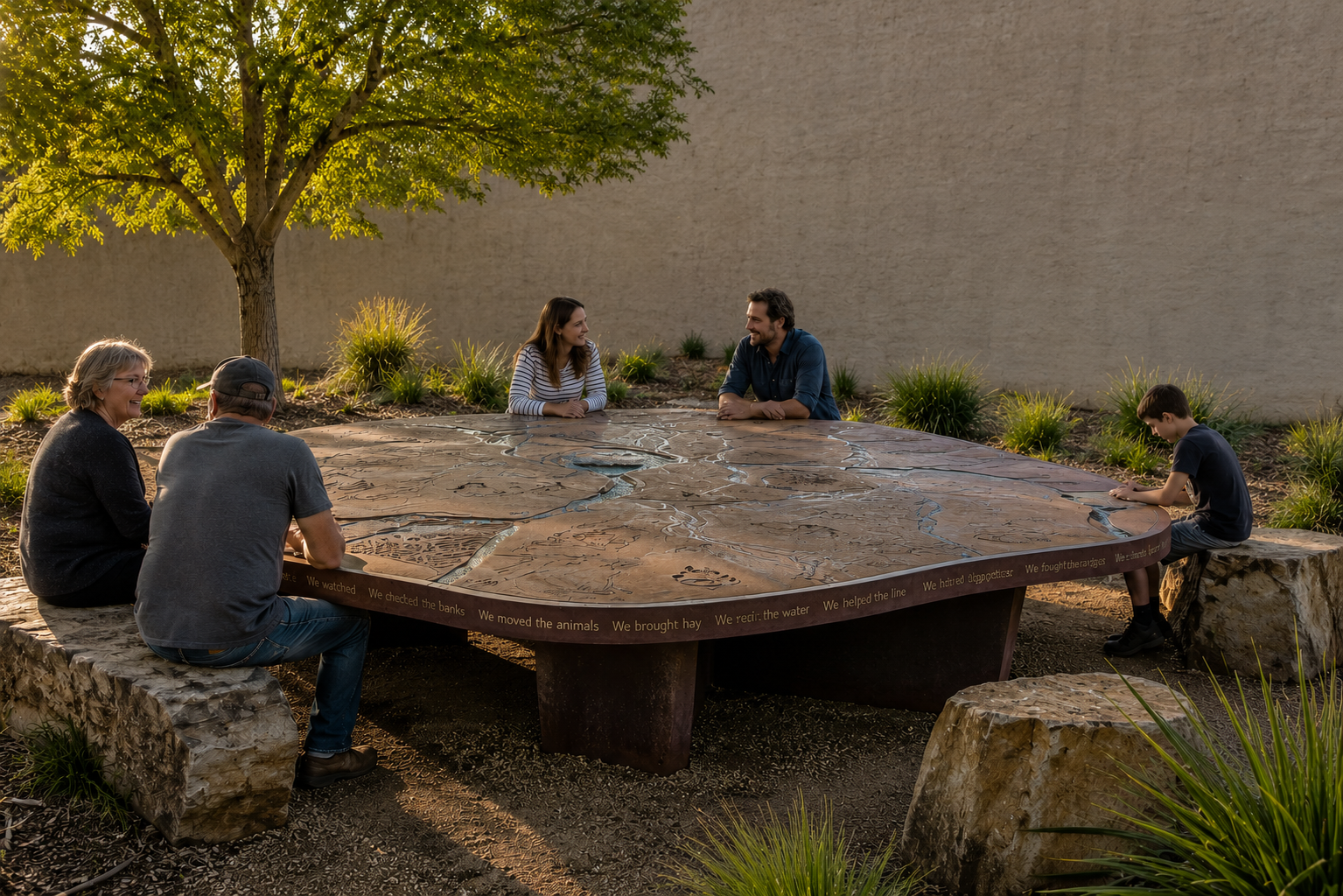
Boort - Holding Ground
A functional public artwork and gathering place: one that honours the hands, tools, knowledge and neighbours that helped Boort hold ground through flood.
In Boort, the community’s flood story was not only about water, but about what held: neighbours, tools, food, messages, farm knowledge, children’s marks and practical care. Sonic Gold translated this into Holding Ground, a functional sculptural table and gathering place near the town’s everyday social heart. The concept is both public artwork and civic furniture: a place to sit, meet, read, remember and pause. Rather than separating commemoration from daily life, it places memory inside ordinary use, strengthening public space while honouring the hands and habits that helped Boort endure.

Newbridge - The Height of Water
A place-based flood marker: one that turns recorded floodwater levels into a physical experience of scale, memory, impact and recovery.
In Newbridge, the Recreation Reserve carried much of the town’s flood memory: camping, football, river proximity, repeated inundation and the physical scale of water. Sonic Gold translated this into The Height of Water, a reserve-entry flood marker that allows people to stand beside recorded flood levels and understand memory as height, force and consequence. The concept is not simply symbolic; it strengthens the reserve as a visitor and community place. It can also connect with broader local ambitions for riverside paths, township links, public artwork and improved flood-memory infrastructure.

Bridgewater - Young River Keepers
A collaborative and participatory student-led installation: one that turns children’s stories, local memories and river knowledge into a shared path of care, learning and remembrance.
In Bridgewater, the strongest insight came through children’s relationship with the Loddon River: testing water, noticing living things, drawing floods, bridges, danger, colour and care. Sonic Gold translated this into Young River Keepers, a student-led ceramic and mosaic pathway artwork at Bridgewater on Loddon Primary School. Rather than placing a memorial beside the river, the concept brings the river into the school’s daily threshold. Children, teachers and community members contribute marks and stories, creating a durable public artwork that supports learning, remembrance and a promise to keep watching and caring for the river.

Pyramid Hill - When It Needs Doing
A sculptured functional seating sequence: one that honours Pyramid Hill’s practical culture of care.
In Pyramid Hill, flood memory was tied to watching, warning, practical action and the wider landscape of town, farms, roads and the Hill itself. Sonic Gold translated this into When It Needs Doing, a sequence of sculptural seats along the town-to-Hill walking connection. The concept supports an existing community master plan while giving flood memory a useful public form: places to sit, pause, look back and talk. Rather than adding an isolated monument, the design strengthens a walking route, visitor experience and local story of care: when something needs doing, the community shows up.